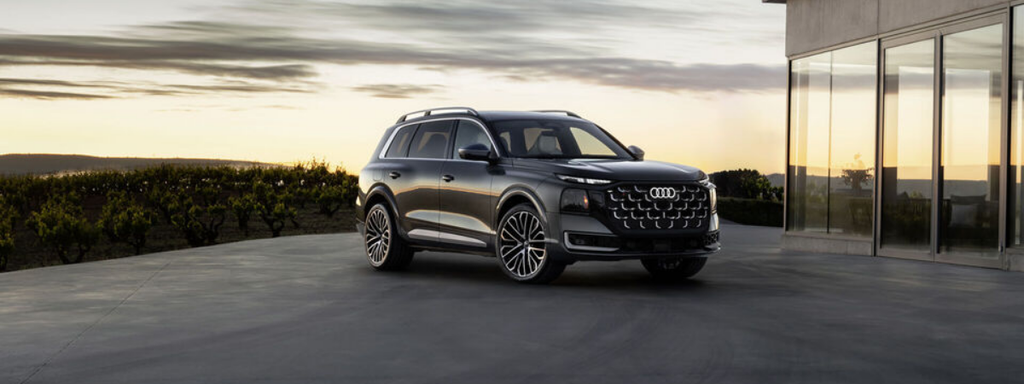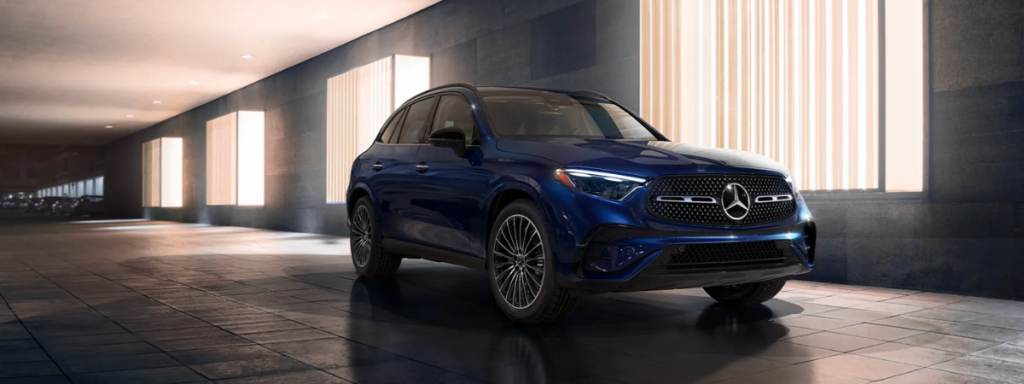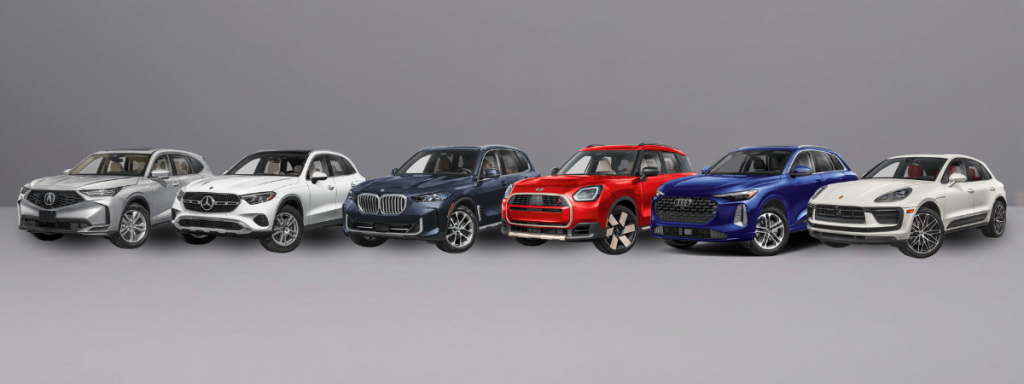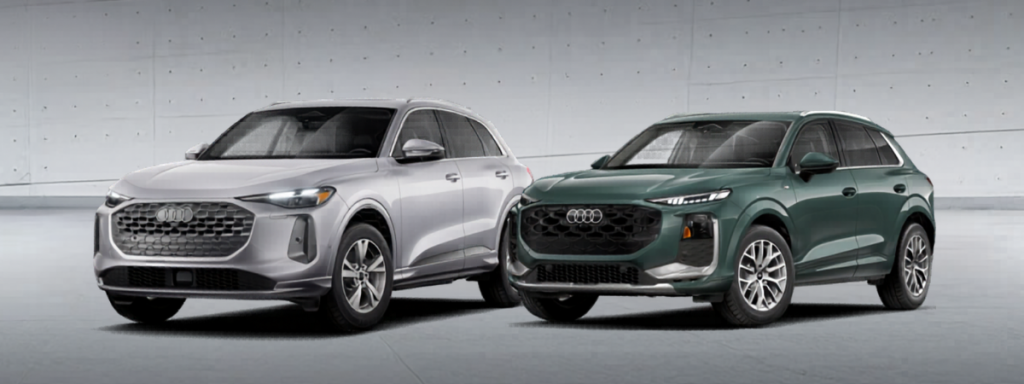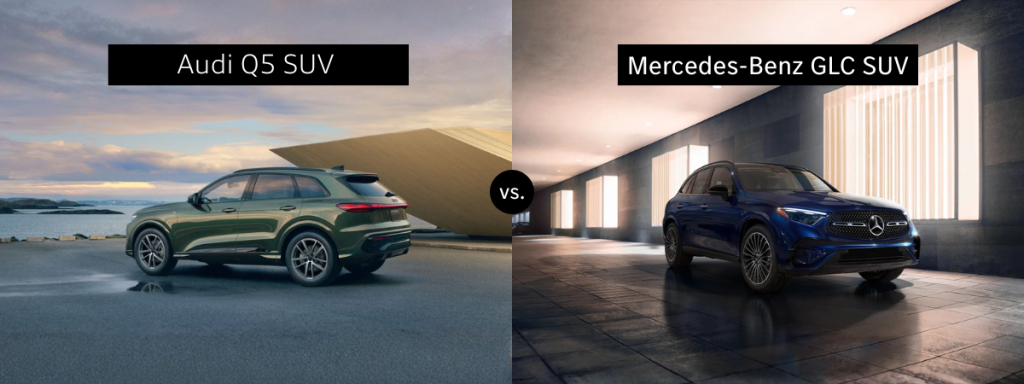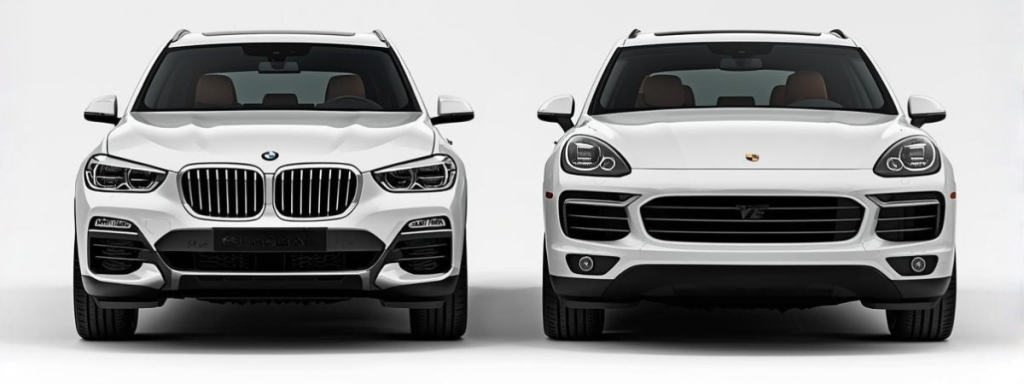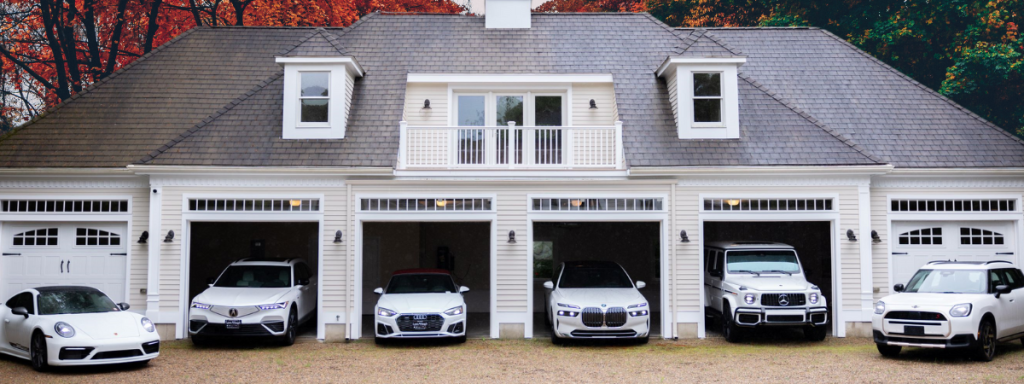







2027 Luxury SUV Guide: What New England Drivers Should Watch. Luxury SUV shoppers have more choices than ever, but that does not necessarily make the decision easier. The right vehicle for a driver who needs three rows for a growing family can be very different from the right choice for someone moving from a sports sedan, searching for an electric SUV, or looking for something compact enough for daily city driving. That is why the 2027 model year is worth watching. The luxury SUV market continues to move toward more specialized choices, with larger flagship models, updated technology, new electric options, performance-oriented SUVs, compact premium crossovers, and flexible three-row vehicles all playing an important role. At Lyon-Waugh Auto Group, we help drivers across Massachusetts, New Hampshire, Vermont, Maine, and surrounding New England communities explore luxury SUVs from Porsche, BMW, Audi, Mercedes-Benz, Acura, and MINI. The goal is not to find one SUV that is best for everyone. It is to find the one that fits how you drive, where you travel, and what your next chapter requires. What Is Changing for Luxury SUVs in 2027? The 2027 luxury SUV landscape is shaped by choice. Drivers are not being asked to move in a single direction. Instead, they can choose from gasoline-powered models, mild-hybrid systems, plug-in hybrid technology, and fully electric SUVs depending on their driving habits, charging access, passenger needs, and priorities. Luxury buyers are also expecting more from the interior. Large displays, connected services, advanced parking support, driver-assistance technology, premium seating, better second-row comfort, and flexible cargo solutions are becoming more important than simply adding another screen or a larger wheel. The biggest trend is that luxury SUVs are becoming more purpose-built. A compact SUV can be designed for daily commuting and tight parking. A three-row SUV can focus on family travel, cargo flexibility, and towing. A performance SUV can provide sports-car-inspired response without asking drivers to sacrifice everyday usefulness. For New England drivers, this matters. A vehicle may need to handle a weekday commute, a holiday visit, a ski weekend, a coastal drive, or a family road trip within the same month. The best luxury SUV is the one that can meet those needs without feeling like a compromise. Three-Row Luxury SUVs for Growing Families. Three-row luxury SUVs remain a major focus for shoppers who need more than five-passenger seating. They offer a practical alternative to a minivan while adding premium materials, sophisticated technology, confident road manners, and available towing capability. The Acura MDX remains an important option for drivers who want a premium three-row SUV with available Super Handling All-Wheel Drive™. It is a strong match for Massachusetts families who need flexible seating, usable cargo room, and a vehicle that can adapt to busy schedules. The BMW X7 continues to appeal to drivers who want flagship-level comfort, standard xDrive intelligent all-wheel drive, three-row seating, and a more performance-focused feel. It is especially worth a look for families in Sudbury, Norwood, and throughout Massachusetts who want their larger SUV to feel refined on a long trip and responsive on the daily drive. Mercedes-Benz offers several choices for shoppers who prioritize luxury, technology, and passenger comfort. The GLS is positioned as the brand’s larger three-row SUV, while the GLE provides a midsize option for drivers who want premium utility without moving to flagship size. Audi shoppers should also keep an eye on the 2027 Audi Q9. Audi has announced the Q9 as its first full-size SUV, designed to create a new flagship position within the brand’s SUV lineup. The Q9 will be especially relevant for families who want a new three-row luxury SUV with standard quattro® all-wheel drive and additional space for passengers and travel gear. Lyon-Waugh Auto Group already has a dedicated 2027 Audi Q9 guide with more information for drivers researching this upcoming model. When comparing three-row luxury SUVs, think beyond the maximum number of passengers. Consider how often the third row will be used, whether adults will ride there, how much cargo space is available with the third row in place, and whether you need towing capability for a trailer, boat, or recreational equipment. Performance SUVs for Drivers Who Still Love to Drive A luxury SUV does not have to feel detached from the road. For drivers who want power, steering response, confident handling, and a more engaging experience, performance SUVs offer a compelling blend of practicality and personality. Porsche remains one of the most important names in this space. The Porsche Macan and Porsche Cayenne give drivers two different ways to approach luxury SUV performance. The Macan is more compact and athletic, while the Cayenne provides a larger, more versatile format with a strong focus on road feel and available powertrain choices. Porsche shoppers in Burlington, Massachusetts, and Stratham, New Hampshire, can explore whether a performance-oriented compact SUV or a larger premium SUV better fits their routine. The right answer often depends on passenger needs, cargo requirements, preferred driving position, and whether electric or gasoline power is the better fit. BMW also offers a wide range of performance-oriented SUVs. From the agile BMW X3 to the larger X5 and X7, BMW SUV shoppers can choose a model based on size, capability, and desired driving character. Performance-focused M and M Performance variants can further appeal to drivers who do not want to give up acceleration and handling when they move into an SUV. Mercedes-Benz and Mercedes-AMG ® models provide another route for shoppers who want luxury and performance together. Depending on the vehicle, buyers can choose a more comfort-focused Mercedes-Benz SUV or explore a performance-forward AMG® model with a more aggressive driving personality. The most important question is not simply how quickly an SUV accelerates. Ask whether you want a vehicle that emphasizes comfort, performance, or a blend of both. The best test drive should include the conditions you see most often, from local traffic and highway ramps to the roads you use on weekend trips. Compact Luxury SUVs for Daily Life Not everyone needs a full-size or three-row SUV. In fact, many drivers find that a compact luxury SUV is the better everyday answer. These models can be easier to park, more maneuverable in busy areas, and more efficient to use for commuting while still giving drivers a premium cabin, useful cargo space, and elevated seating. The Acura ADX is a notable choice for drivers who want a new compact Acura SUV. It gives former or current RDX shoppers a different entry point into the Acura lineup, especially if they want a smaller two-row vehicle for daily use. The larger MDX remains the better fit for drivers who need three rows, while the ADX is aimed at drivers who want compact premium utility. MINI offers a distinctive take on the compact SUV with the Countryman. It is designed for drivers who want more space than a MINI Cooper Hardtop while keeping the brand’s expressive style and lively personality. It is a natural fit for drivers in Boston, Vermont, Maine, New Hampshire, and throughout New England who want practical space without moving into a larger luxury SUV. The Mercedes-Benz GLC remains a popular choice in the compact premium SUV segment. It appeals to drivers who value a refined cabin, current Mercedes-Benz technology, and a size that works well for commuting and weekend plans. It can be a strong option for drivers in Lynnfield, Massachusetts, and surrounding communities who want a premium SUV without the footprint of a larger GLE or GLS. BMW X1 and X3 models, Audi Q3 and Q5 models, and the Porsche Macan are also worth comparing for shoppers who want a compact or midsize premium SUV. The best choice will depend on your desired driving experience, interior space needs, technology preferences, and whether you want to prioritize performance, comfort, brand design, or available electrification. Electric, Hybrid, or Gas: Which Luxury SUV Path Fits Your Life? One of the most important decisions for 2027 luxury SUV shoppers is selecting the powertrain that fits their actual driving routine. A fully electric luxury SUV can make sense for drivers with consistent access to home or workplace charging, a predictable daily driving pattern, and a desire to reduce gasoline use. Electric SUV options across the Lyon-Waugh Auto Group brands continue to grow, including models such as the Porsche Macan Electric, BMW iX, Mercedes-Benz EQE SUV, Audi electric SUV choices, and the MINI Countryman SE ALL4. A plug-in hybrid SUV can be attractive for drivers who can charge regularly and want the ability to complete shorter trips using electric power while maintaining a gasoline engine for longer drives. Availability, electric range, charging requirements, and equipment vary by model. Mild-hybrid and gasoline-powered SUVs remain important choices as well. They may be particularly appealing for drivers who regularly travel long distances, tow equipment, cannot charge reliably at home or work, or simply prefer the familiarity of a traditional powertrain. There is no universal answer. Before choosing, consider your daily mileage, parking and charging situation, long-distance travel habits, towing needs, climate, and household vehicle setup. A specialist at the appropriate Lyon-Waugh Auto Group dealership can help you evaluate the options based on your own routine rather than a one-size-fits-all recommendation. Where to Explore 2027 Luxury SUVs in New England Lyon-Waugh Auto Group offers access to a broad group of luxury and premium brands, with each dealership positioned to help shoppers explore models that fit their needs. Porsche shoppers can explore performance SUVs and electric SUV options through our Porsche location serving Burlington, Massachusetts, Stratham, New Hampshire, and surrounding New England communities. BMW shoppers from Sudbury, Norwood, Boston, and across Massachusetts can compare premium SUVs that range from compact models to three-row flagships, including performance-oriented choices. Mercedes-Benz shoppers from Lynnfield, Boston, and nearby Massachusetts communities can explore premium SUVs that emphasize comfort, technology, style, and available performance. Our two MINI locations, help drivers from Boston, New Hampshire, Vermont, Maine, and surrounding areas find compact SUVs and crossovers with distinctive MINI design and practical everyday usability. Acura shoppers in Boston and across Massachusetts can compare the compact ADX and the larger three-row MDX, as well as available Certified Pre-Owned Acura SUVs. Audi shoppers from Stratham, New Hampshire, Burlington, Massachusetts, and nearby communities can explore Audi SUV options today while following the upcoming 2027 Audi Q9 story. Find the Luxury SUV That Fits Your Next Chapter The 2027 luxury SUV market offers more variety than ever. Whether you are preparing for a growing family, replacing a sedan, moving into your first luxury SUV, considering an electric vehicle, or looking for stronger performance without sacrificing utility, there is a model designed around your priorities. Lyon-Waugh Auto Group can help you compare brands, explore current inventory, value your trade, and connect with a dealership team that understands the models you are considering. Start by narrowing your priorities. Do you need a third row? Do you want compact dimensions? Is all-wheel drive important? Are you interested in electric, hybrid, or gasoline power? Do you want a comfort-first vehicle, a performance-first vehicle, or a balance of both? Once you know the answer to those questions, your next luxury SUV becomes much easier to find. Explore All Luxury SUVs View Dealership Locations
Winter Tires vs. All-Season Tires: Is Your Vehicle Ready for a New England Winter?
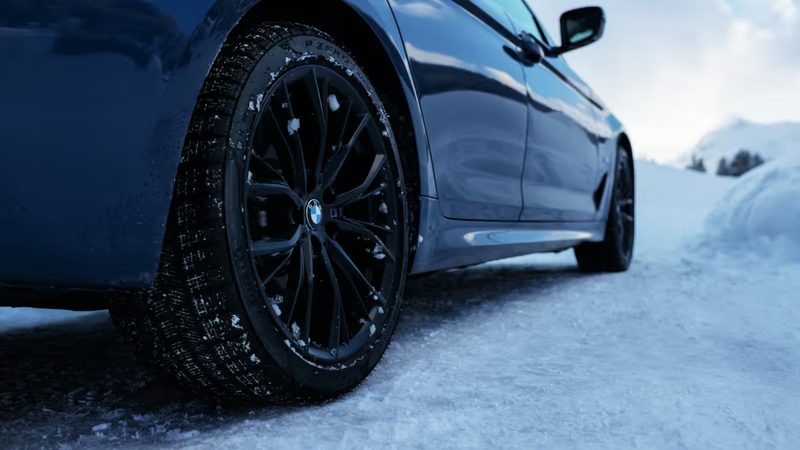
Winter Tires vs. All-Season Tires. Is Your Vehicle Ready for a New England Winter? Your heated seats are ready. Your weekend bag is packed. But before the first snowy commute or early drive to the mountains, take a look at the equipment that makes contact with the road: your tires. When comparing winter tires vs. all-season tires, start with the conditions you actually drive in. Dedicated winter tires are designed for cold weather, snow, and ice. All-season tires balance year-round needs in milder conditions. All-weather tires offer another option for drivers seeking year-round use with a severe-snow rating. For drivers around Boston and throughout Massachusetts, New Hampshire, Vermont, and Maine, the right choice depends on more than a home address. Your commute, travel plans, and ability to avoid storms all belong in the conversation. Winter Tires vs. All-Season Tires: What Changes? Winter Tires. Built for the Cold Season. Winter tires use rubber compounds designed to remain flexible in cold conditions, along with tread features that help generate traction on winter surfaces. Their purpose extends beyond getting out of a snowy driveway: they support braking and steering when conditions deteriorate. They deserve serious consideration if you regularly drive in snow, leave before roads are cleared, or keep traveling when the forecast turns difficult. They are seasonal equipment, so plan to change back when warmer weather returns. All-Season Tires. A Year-Round Compromise. All-season tires balance everyday comfort, tread life, and performance in dry, wet, and some light-snow conditions. The name can sound more comprehensive than the capability. They may suit drivers with flexible schedules who can stay off the road during storms. However, a tire that works well through spring rain and autumn errands does not automatically provide the winter performance your routine requires. All-Weather Tires. Another Option Worth Discussing. All-weather tires generally describe year-round tires carrying the three-peak mountain snowflake symbol, also called 3PMSF. That marking indicates the tire meets a standardized severe-snow traction requirement. They can appeal to drivers seeking stronger snow capability without seasonal changeovers. But the symbol does not mean every qualifying tire performs identically on ice, during braking, or in every winter condition. Compare the specific tire, not just its category. Do You Need Winter Tires If You Have All-Wheel Drive? All-wheel drive does not replace winter-appropriate tires. It helps distribute driving power, but available grip still depends on the tires meeting the road. Getting moving is only one part of a winter drive. You also need to slow down for stopped traffic, negotiate a curve, and respond when the road surface changes. That distinction matters across the Acura, Audi, BMW, Mercedes-Benz, MINI, and Porsche vehicles represented by Lyon-Waugh Auto Group. A drivetrain badge cannot tell you what tires are installed, how worn they are, or how they perform in cold weather. Before assuming your SUV is ready, check the actual tire make, model, seasonal category, and condition. Winter tires also cannot make an unsafe road safe; speed, following distance, and the decision to postpone travel still matter. Choose for Your Boston Commute-and Your Weekend Destination. A driver who can work from home during a storm faces a different decision from someone whose shift starts before the plows finish. For a Boston-area commute, consider early departures, exposed parking, and the conditions between your driveway and the main road. Living in Massachusetts does not produce one universal tire recommendation. Now add your winter plans. Regular trips into New Hampshire, ski weekends in Vermont, or visits to family in Maine may expose your vehicle to conditions beyond those of your usual neighborhood route. Ask yourself: Must I drive during storms or before roads are treated? Do my regular routes include hills or less-traveled roads? Will I make frequent winter trips north? Can I delay a trip when conditions become hazardous? Choose around the most demanding conditions you reasonably expect to encounter. Your destination deserves as much attention as your daily mileage. When Should You Install Winter Tires in New England? Plan around sustained colder weather rather than waiting for the first snowfall. Around 45°F is a commonly used planning guideline for discussing seasonal tire changes, not a precise temperature at which every tire suddenly changes behavior. Watch the temperatures during the hours you actually drive. A mild afternoon can disguise a much colder morning departure. Late October is a useful time to identify your current tires, inspect their condition, and discuss fitment. Scheduling ahead also gives you time to resolve questions about wheels or equipment before a forecast creates urgency. If your vehicle has summer tires, make this check a priority. Summer tires are intended for warmer conditions, and the specific tire manufacturer's cold-weather restrictions should guide your changeover. Your Vehicle Matters as Much as the Forecast. A MINI Cooper, Acura MDX, BMW sports sedan, Audi SUV, Mercedes-Benz, and Porsche sports car do not share one universal winter setup. Start with the exact model, year, and equipment. Ask your brand's service team to confirm appropriate sizing, load capacity, and compatibility before selecting tires or a separate wheel package. That is especially useful if you are considering different wheels for winter. A package needs to fit your vehicle's requirements; appearance alone cannot establish compatibility. Bring your priorities into the discussion, too. Do you want a seasonal setup for frequent mountain travel? Is year-round convenience important? Are you trying to preserve the character you enjoy in your vehicle while preparing for winter? Those questions make a more useful starting point than choosing the same tires a friend bought. What to Ask at a Pre-Winter Tire Appointment. Ask for an assessment of tire condition and suitability for your planned driving. Share any vibration, repeated pressure warnings, or recent pothole impacts rather than assuming they are normal. For a closer look at wear and replacement signs, see our guide to when to replace your tires. Keep pressure checks in your routine. NHTSA recommends checking at least monthly when tires are cold, meaning the vehicle has not been driven for at least three hours. Use the vehicle's tire-information label or owner's manual for the recommended pressure, rather than the maximum shown on the tire sidewall. A dashboard warning is a reason to check pressure promptly, not a substitute for regular checks. Winter Tire FAQs. Are Winter Tires and Snow Tires the Same Thing? The terms commonly describe the same category. “Winter tires” better reflects their intended use because cold-weather performance matters even when the road is not covered in snow. Can I Use Winter Tires All Year? Winter tires are intended for seasonal use. Switch to appropriate summer or year-round tires as temperatures consistently warm, following the tire manufacturer's guidance. Should Winter Tires Go on All Four Wheels? Yes. Install winter tires on all four wheels for balanced traction, including on front-wheel-drive, rear-wheel-drive, and all-wheel-drive vehicles. Are All-Weather Tires the Same as All-Season Tires? The terms are not interchangeable. When considering an all-weather tire, verify the three-peak mountain snowflake marking and assess the specific product's capabilities against your driving needs. Get Ready for the Drives You Look Forward To. Winter brings plenty of reasons to get out: a mountain weekend, a holiday reunion, or a crisp coastal drive. Preparing your tires now helps you make informed decisions before the weather becomes part of the itinerary. Lyon-Waugh Auto Group's dealerships in Massachusetts and New Hampshire represent Acura, Audi, BMW, Mercedes-Benz, MINI, and Porsche. Check out our locations to connect with the appropriate service team and discuss a tire inspection or winter setup for your vehicle.