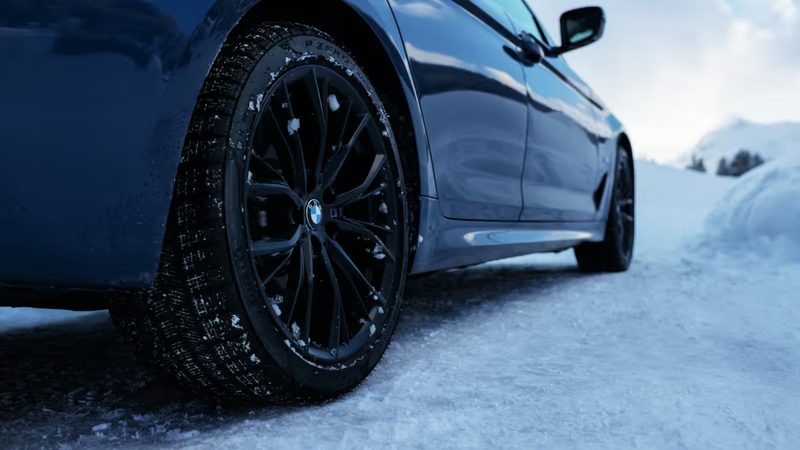






Winter Tires vs. All-Season Tires. Is Your Vehicle Ready for a New England Winter? Your heated seats are ready. Your weekend bag is packed. But before the first snowy commute or early drive to the mountains, take a look at the equipment that makes contact with the road: your tires. When comparing winter tires vs. all-season tires, start with the conditions you actually drive in. Dedicated winter tires are designed for cold weather, snow, and ice. All-season tires balance year-round needs in milder conditions. All-weather tires offer another option for drivers seeking year-round use with a severe-snow rating. For drivers around Boston and throughout Massachusetts, New Hampshire, Vermont, and Maine, the right choice depends on more than a home address. Your commute, travel plans, and ability to avoid storms all belong in the conversation. Winter Tires vs. All-Season Tires: What Changes? Winter Tires. Built for the Cold Season. Winter tires use rubber compounds designed to remain flexible in cold conditions, along with tread features that help generate traction on winter surfaces. Their purpose extends beyond getting out of a snowy driveway: they support braking and steering when conditions deteriorate. They deserve serious consideration if you regularly drive in snow, leave before roads are cleared, or keep traveling when the forecast turns difficult. They are seasonal equipment, so plan to change back when warmer weather returns. All-Season Tires. A Year-Round Compromise. All-season tires balance everyday comfort, tread life, and performance in dry, wet, and some light-snow conditions. The name can sound more comprehensive than the capability. They may suit drivers with flexible schedules who can stay off the road during storms. However, a tire that works well through spring rain and autumn errands does not automatically provide the winter performance your routine requires. All-Weather Tires. Another Option Worth Discussing. All-weather tires generally describe year-round tires carrying the three-peak mountain snowflake symbol, also called 3PMSF. That marking indicates the tire meets a standardized severe-snow traction requirement. They can appeal to drivers seeking stronger snow capability without seasonal changeovers. But the symbol does not mean every qualifying tire performs identically on ice, during braking, or in every winter condition. Compare the specific tire, not just its category. Do You Need Winter Tires If You Have All-Wheel Drive? All-wheel drive does not replace winter-appropriate tires. It helps distribute driving power, but available grip still depends on the tires meeting the road. Getting moving is only one part of a winter drive. You also need to slow down for stopped traffic, negotiate a curve, and respond when the road surface changes. That distinction matters across the Acura, Audi, BMW, Mercedes-Benz, MINI, and Porsche vehicles represented by Lyon-Waugh Auto Group. A drivetrain badge cannot tell you what tires are installed, how worn they are, or how they perform in cold weather. Before assuming your SUV is ready, check the actual tire make, model, seasonal category, and condition. Winter tires also cannot make an unsafe road safe; speed, following distance, and the decision to postpone travel still matter. Choose for Your Boston Commute-and Your Weekend Destination. A driver who can work from home during a storm faces a different decision from someone whose shift starts before the plows finish. For a Boston-area commute, consider early departures, exposed parking, and the conditions between your driveway and the main road. Living in Massachusetts does not produce one universal tire recommendation. Now add your winter plans. Regular trips into New Hampshire, ski weekends in Vermont, or visits to family in Maine may expose your vehicle to conditions beyond those of your usual neighborhood route. Ask yourself: Must I drive during storms or before roads are treated? Do my regular routes include hills or less-traveled roads? Will I make frequent winter trips north? Can I delay a trip when conditions become hazardous? Choose around the most demanding conditions you reasonably expect to encounter. Your destination deserves as much attention as your daily mileage. When Should You Install Winter Tires in New England? Plan around sustained colder weather rather than waiting for the first snowfall. Around 45°F is a commonly used planning guideline for discussing seasonal tire changes, not a precise temperature at which every tire suddenly changes behavior. Watch the temperatures during the hours you actually drive. A mild afternoon can disguise a much colder morning departure. Late October is a useful time to identify your current tires, inspect their condition, and discuss fitment. Scheduling ahead also gives you time to resolve questions about wheels or equipment before a forecast creates urgency. If your vehicle has summer tires, make this check a priority. Summer tires are intended for warmer conditions, and the specific tire manufacturer's cold-weather restrictions should guide your changeover. Your Vehicle Matters as Much as the Forecast. A MINI Cooper, Acura MDX, BMW sports sedan, Audi SUV, Mercedes-Benz, and Porsche sports car do not share one universal winter setup. Start with the exact model, year, and equipment. Ask your brand's service team to confirm appropriate sizing, load capacity, and compatibility before selecting tires or a separate wheel package. That is especially useful if you are considering different wheels for winter. A package needs to fit your vehicle's requirements; appearance alone cannot establish compatibility. Bring your priorities into the discussion, too. Do you want a seasonal setup for frequent mountain travel? Is year-round convenience important? Are you trying to preserve the character you enjoy in your vehicle while preparing for winter? Those questions make a more useful starting point than choosing the same tires a friend bought. What to Ask at a Pre-Winter Tire Appointment. Ask for an assessment of tire condition and suitability for your planned driving. Share any vibration, repeated pressure warnings, or recent pothole impacts rather than assuming they are normal. For a closer look at wear and replacement signs, see our guide to when to replace your tires. Keep pressure checks in your routine. NHTSA recommends checking at least monthly when tires are cold, meaning the vehicle has not been driven for at least three hours. Use the vehicle's tire-information label or owner's manual for the recommended pressure, rather than the maximum shown on the tire sidewall. A dashboard warning is a reason to check pressure promptly, not a substitute for regular checks. Winter Tire FAQs. Are Winter Tires and Snow Tires the Same Thing? The terms commonly describe the same category. “Winter tires” better reflects their intended use because cold-weather performance matters even when the road is not covered in snow. Can I Use Winter Tires All Year? Winter tires are intended for seasonal use. Switch to appropriate summer or year-round tires as temperatures consistently warm, following the tire manufacturer's guidance. Should Winter Tires Go on All Four Wheels? Yes. Install winter tires on all four wheels for balanced traction, including on front-wheel-drive, rear-wheel-drive, and all-wheel-drive vehicles. Are All-Weather Tires the Same as All-Season Tires? The terms are not interchangeable. When considering an all-weather tire, verify the three-peak mountain snowflake marking and assess the specific product's capabilities against your driving needs. Get Ready for the Drives You Look Forward To. Winter brings plenty of reasons to get out: a mountain weekend, a holiday reunion, or a crisp coastal drive. Preparing your tires now helps you make informed decisions before the weather becomes part of the itinerary. Lyon-Waugh Auto Group's dealerships in Massachusetts and New Hampshire represent Acura, Audi, BMW, Mercedes-Benz, MINI, and Porsche. Check out our locations to connect with the appropriate service team and discuss a tire inspection or winter setup for your vehicle.